The road changes. So do we. Six American road trips worth taking at different chapters of life.
Maybe it’s the freedom of choosing when to stop. Taking the road that looks more interesting. Staying another night because you’re not ready to leave. Or turning around because you passed something twenty miles back and can’t stop thinking about it.
What does change is how we travel.
The trip that sounded perfect at 22 might look a little different at 42. Somewhere along the way, sleeping in the car may lose some of its charm. The hotels get better. The pace gets slower. There might be kids in the backseat, more time to wander, or finally enough room in the schedule to take the long way.
So rather than simply gathering some of America’s great drives, we matched six of them with different chapters of life.
Not because there’s a right age to drive Route 66 or see Big Sur. There absolutely isn’t.
Consider the decades suggestions, not deadlines.
IN YOUR 20S: FOLLOW THE COAST
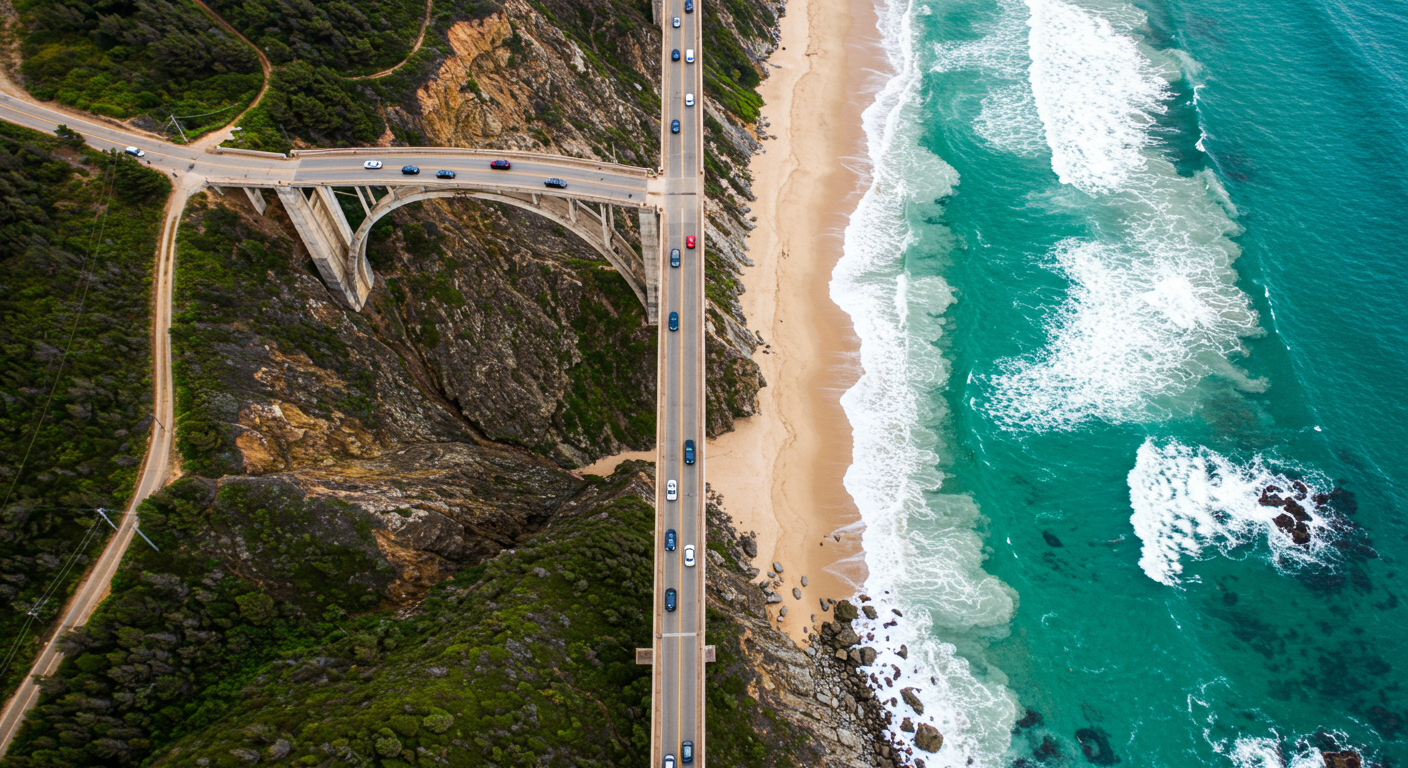
Pacific Northwest → Southern California
BEST FOR
Ocean views, spontaneous stops, coastal towns + taking your time
There are faster ways to get from the Pacific Northwest to Southern California.
That’s precisely why you shouldn’t take them.
Start in Washington and follow Highway 101 toward the coast, stopping at Cape Disappointment State Park before crossing into Oregon. There, the coastline offers plenty of reasons to keep pulling over, from Devil’s Punchbowl State Natural Area and Cape Perpetua Scenic Area to the dramatic stretches of Samuel H. Boardman State Scenic Corridor.
Once you reach California, the scenery changes again. Make time for Redwood National and State Parks, the remote coastline around King Range National Conservation Area, and Point Reyes National Seashore before heading through San Francisco.
Then comes Big Sur.
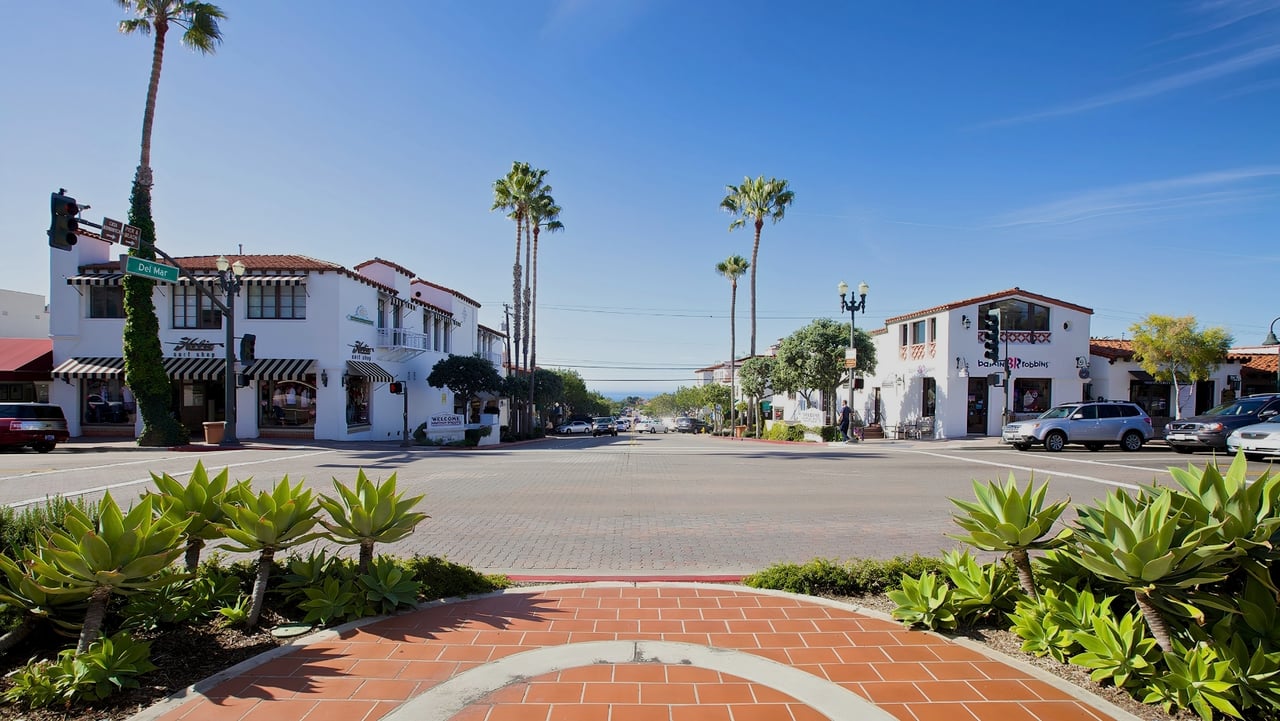
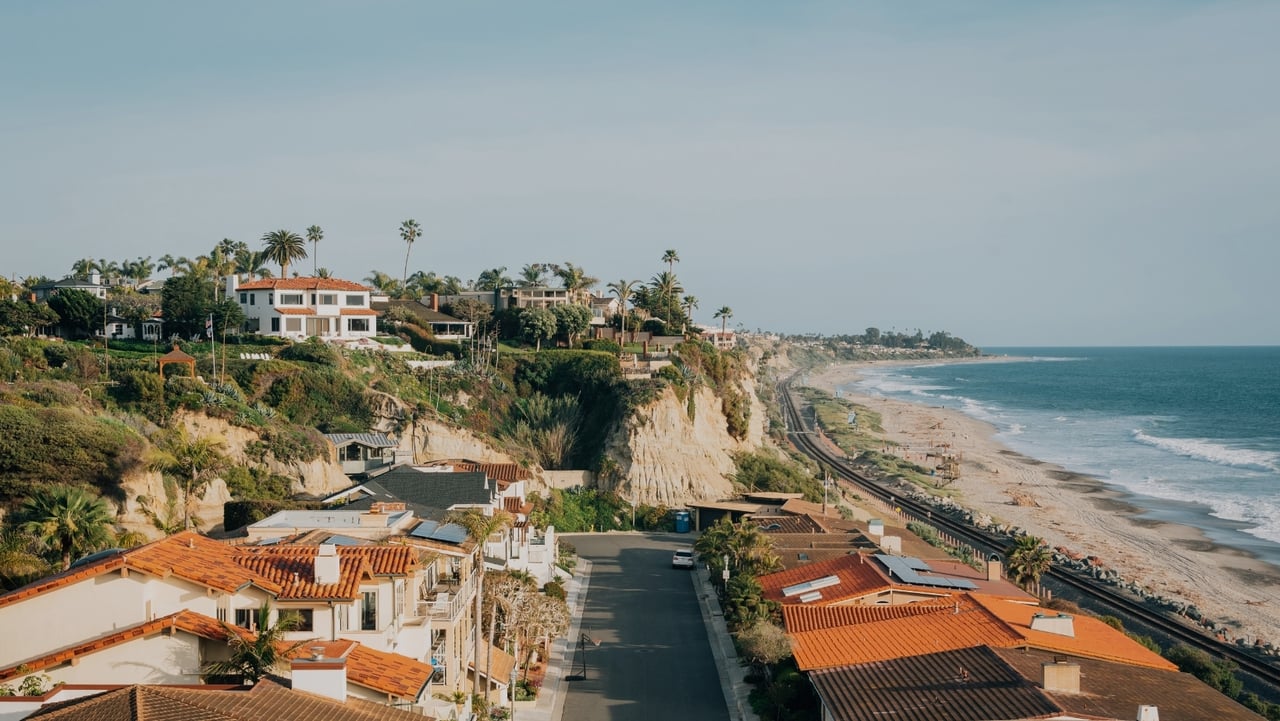
Highway 1 winds past cliffs, beaches and some of the most recognizable stretches of road in California before continuing toward Hearst Castle and the elephant seal rookery at Piedras Blancas. Farther south, Santa Barbara, Los Angeles, Dana Point and San Clemente eventually give way to San Diego.
The beauty of this trip is that there’s no particularly good reason to rush it.
Stop for the view. Find the roadside place everyone else seems to know about. Stay somewhere you hadn’t planned to stay.
Your twenties seem like a particularly good time to learn that the detour is often the best part.
IN YOUR 30S: TAKE THE LONELIEST ROAD
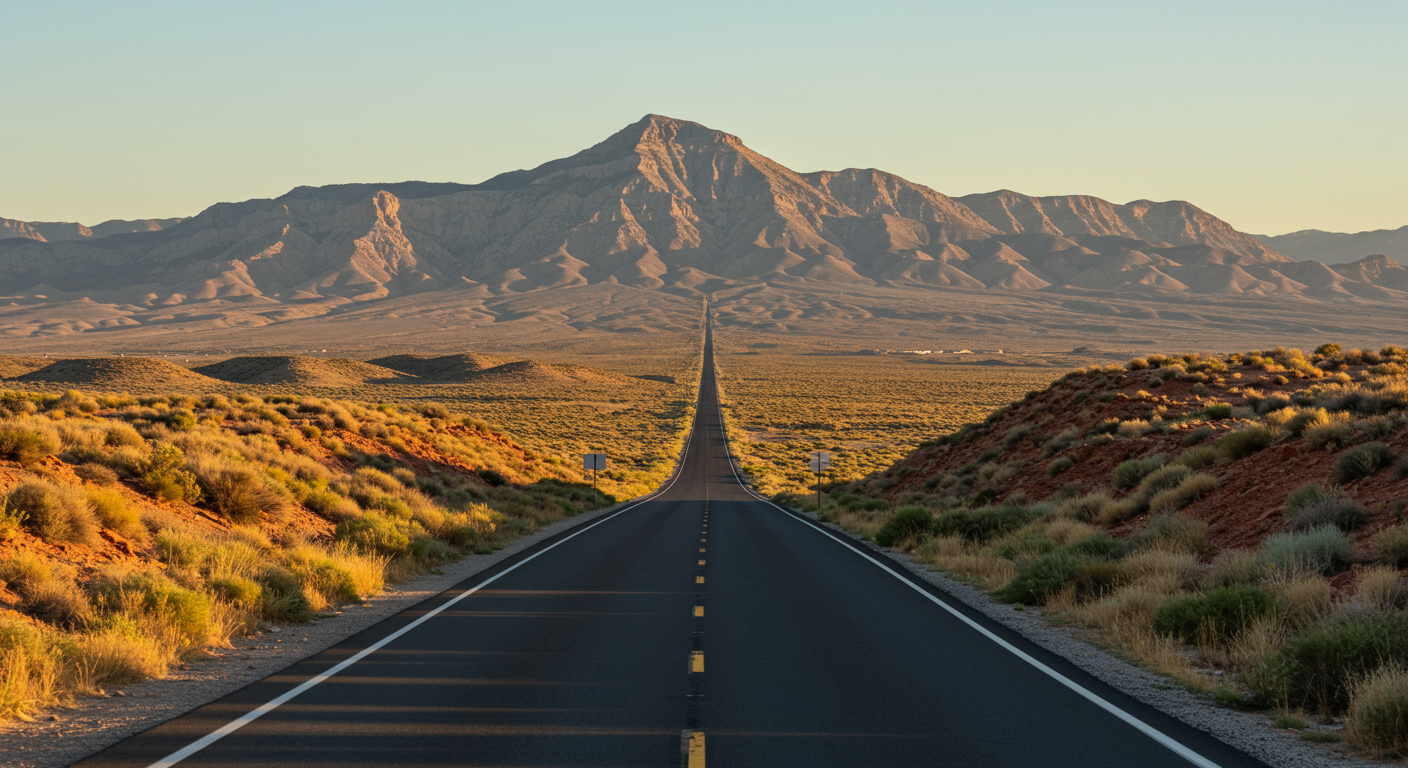
U.S. Route 50 across America
BEST FOR
Open space, desert landscapes, small towns + getting very far away from everything
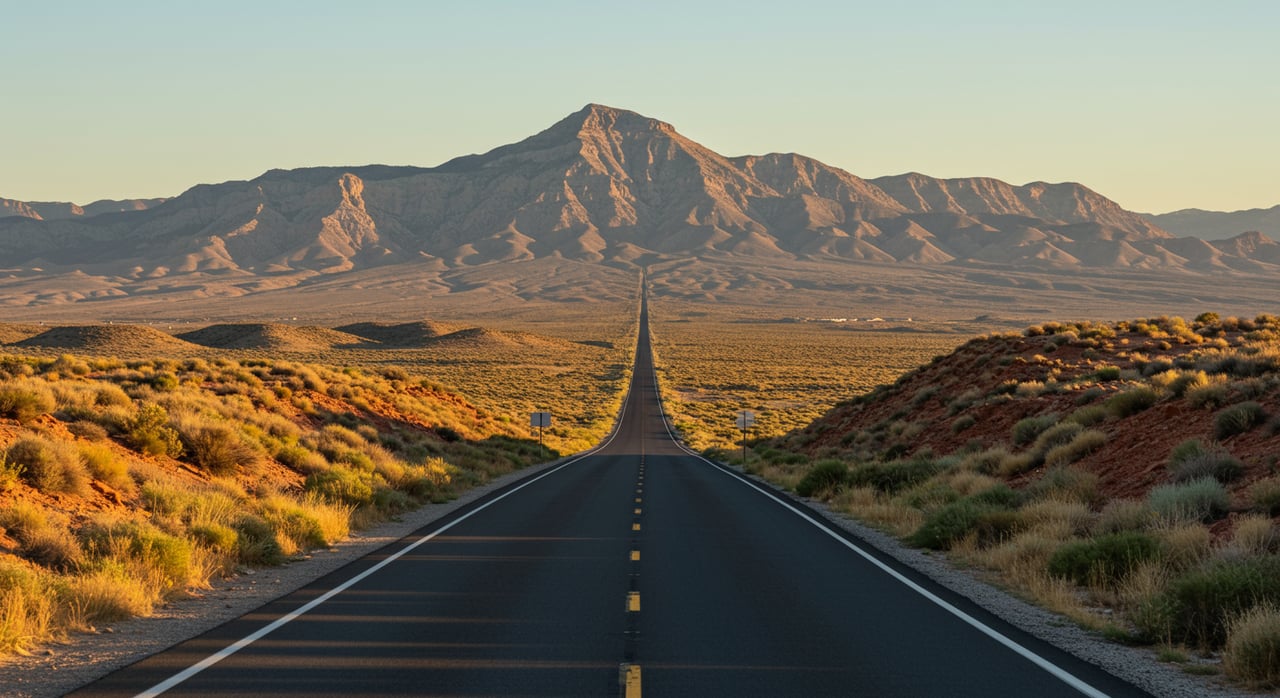
U.S. Route 50 stretches roughly 3,000 miles from California to Maryland, but its most famous stretch cuts through Nevada, where Life magazine once dubbed it “The Loneliest Road in America.” The name stuck.
Start near Sacramento and follow the historic Pony Express corridor toward Lake Tahoe before entering Nevada, where mountains, sagebrush and enormous skies replace the density of the coast.
Keep heading east and the landscape changes again. Utah brings red rock and easy detours toward Arches National Parkand Canyonlands National Park, followed by Colorado’s Rocky Mountains and the open plains beyond.
From there, Route 50 keeps going through the Midwest and Appalachians before eventually reaching Ocean City, Maryland.
There’s something wonderfully analog about a trip like this. Distances are real. Planning ahead matters. Some stretches offer very little distraction other than what’s outside the window.
Every once in a while, disappearing for a few days is exactly the point.
IN YOUR 40S: GO BIG
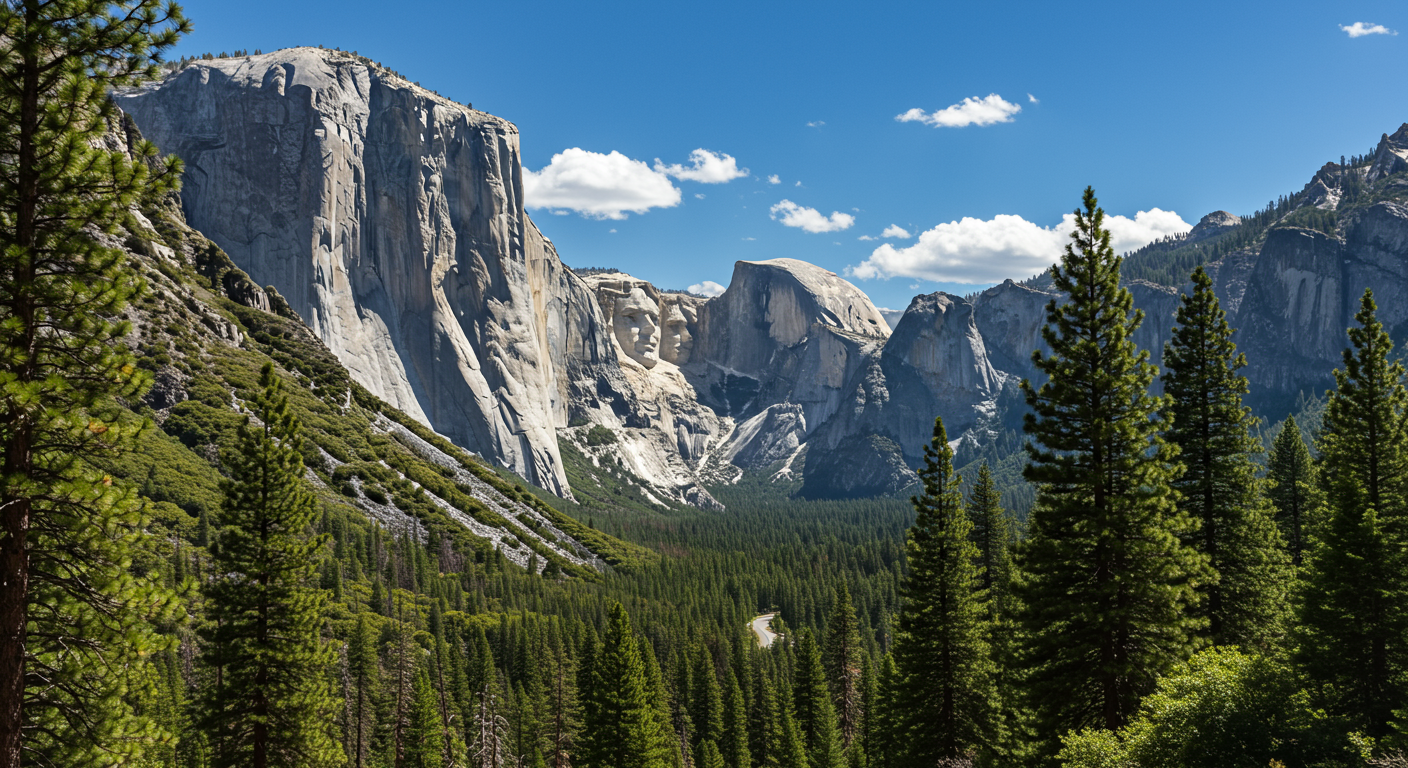
Grand Canyon → Yellowstone → Black Hills + Mount Rushmore
BEST FOR
National parks, family adventure + some of America’s biggest landscapes
If there’s a chapter of life made for the classic American national park road trip, this might be it.
Begin at the South Rim of Grand Canyon National Park, where Desert View Drive follows the canyon rim toward Desert View Watchtower and some of the park’s most expansive viewpoints.
From Arizona, head north through Utah and Idaho toward Yellowstone National Park.
Yellowstone deserves time. Geysers and geothermal basins get much of the attention, but there are also waterfalls, forests, wildlife and enormous stretches of landscape that make getting out of the car every bit as important as the drive itself.
Continue east through Wyoming’s Bighorn National Forest toward South Dakota’s Black Hills National Forest and Mount Rushmore National Memorial.
It’s ambitious. There will be long stretches in the car. Someone will probably ask how much farther.
Years later, those may be the parts everyone remembers.
IN YOUR 50S: FOLLOW THE OREGON TRAIL
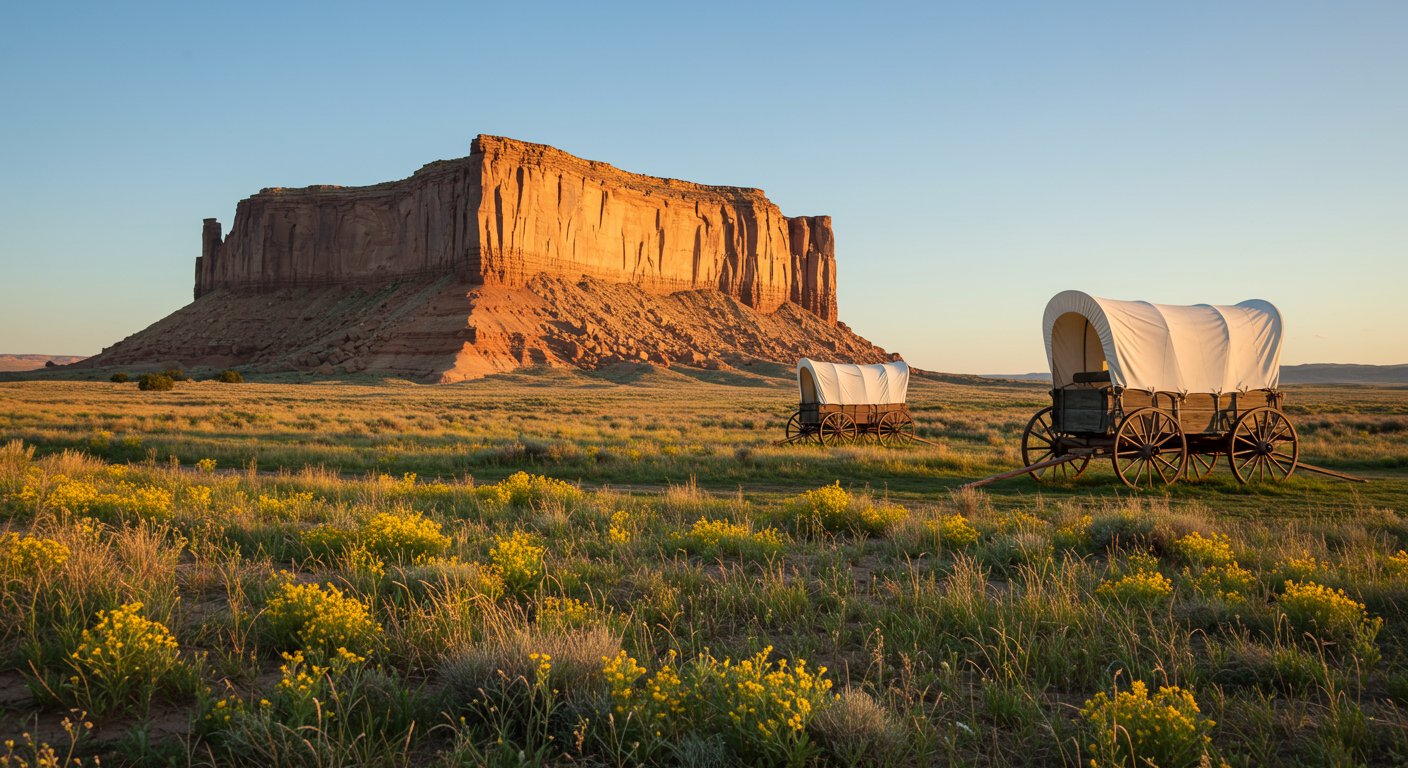
Independence, Missouri → Oregon City, Oregon
BEST FOR
American history, changing landscapes + a slower cross-country journey
There’s something compelling about following a route people once traveled under circumstances almost impossible to imagine now.
The historic Oregon Trail stretched roughly 2,000 miles west from Missouri toward Oregon, carrying hundreds of thousands of emigrants across plains, rivers and mountain ranges during the 19th century.
Start around Independence, Missouri, and head west across the Great Plains. Farther along, Wyoming brings opportunities to detour toward Grand Teton National Park or Yellowstone National Park.
In Idaho, Craters of the Moon National Monument & Preserve offers an entirely different landscape of lava fields and volcanic formations before the route continues west into Oregon.
Eventually, the plains become mountains, the mountains give way to the Pacific Northwest, and Oregon City marks the traditional end of the trail.
If you’re not ready to stop, keep going toward the coast and Ecola State Park, just north of Cannon Beach.
This is a trip worth giving time to.
By now, hopefully, you know better than to race to the end.
IN YOUR 60S: GET YOUR KICKS
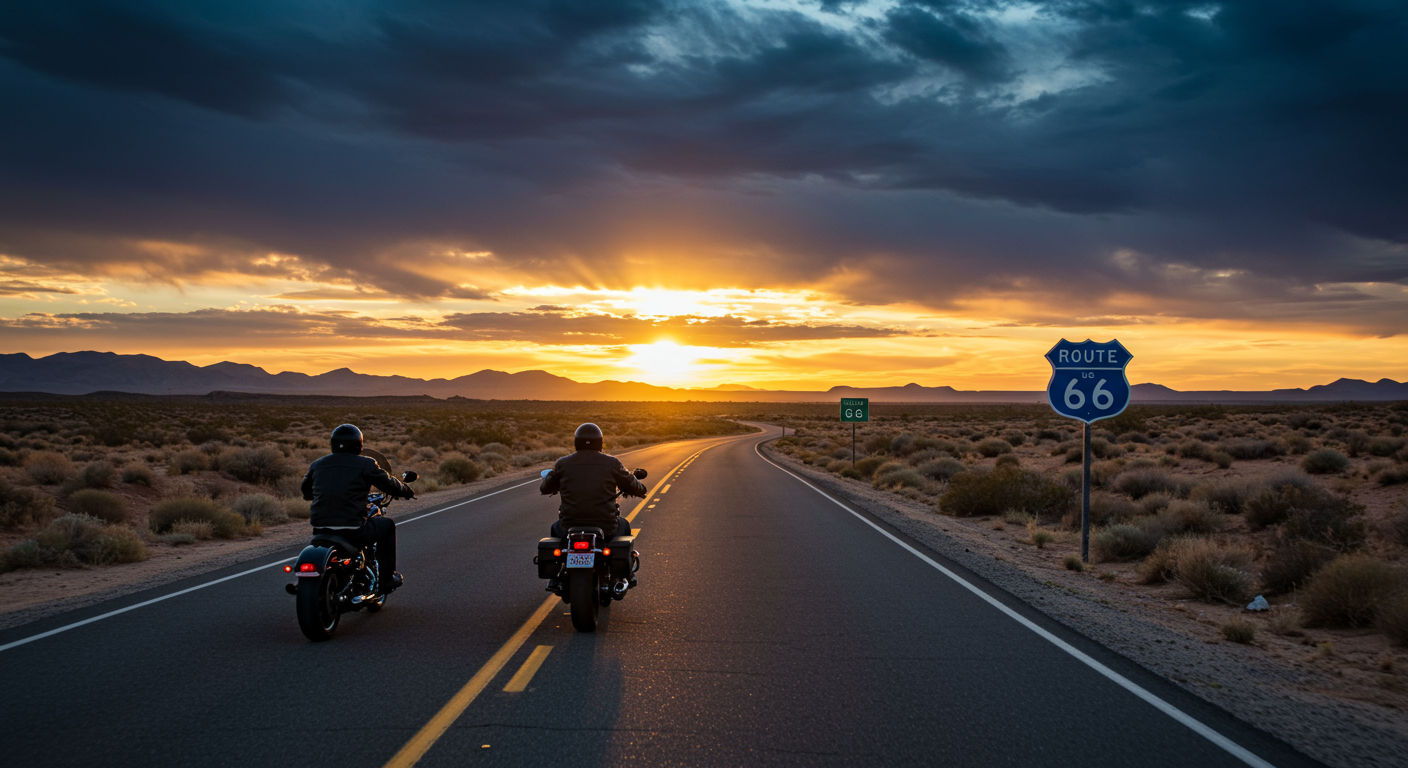
Chicago → Southern California via historic Route 66
BEST FOR
Americana, roadside history, small towns + nostalgia in the best possible way
Few American roads carry as much mythology as Route 66.
The historic highway traveled from Chicago across Illinois, Missouri, Kansas, Oklahoma, Texas, New Mexico and Arizona before reaching Southern California.
And the roadside culture is half the reason to go.
Old motels. Diners. Neon signs. Gas stations. Trading posts. Roadside attractions that make absolutely no sense and therefore deserve a stop.
In Illinois, visit the Lincoln Tomb in Springfield. St. Louis brings a classic Route 66 stop at Ted Drewes Frozen Custard, while northern Texas offers the wonderfully strange Cadillac Ranch.
Continue west through New Mexico and Arizona, with the option to detour toward the South Rim of Grand Canyon National Park, before following the historic route into California.
Route 66 isn’t really about efficiency anymore.
It’s about choosing a road because of everything that happened along it.
IN YOUR 70S AND BEYOND: TAKE THE ATLANTIC COAST
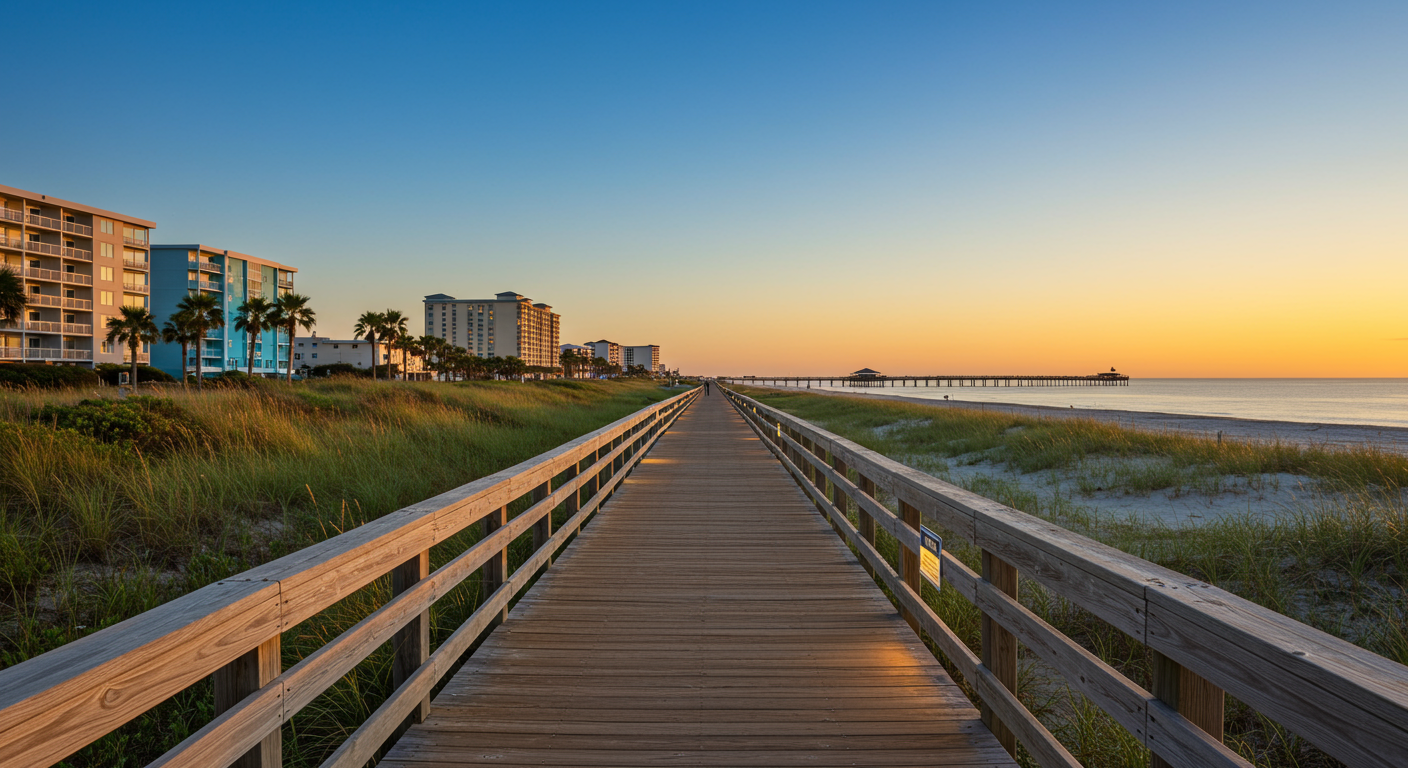
New York → Key West
BEST FOR
Historic towns, coastal scenery, great food + traveling at your own pace
The Atlantic Coast offers something very different from the enormous stretches of the West.
Here, the landscape changes quickly. So does the architecture, food, history and character of the towns along the way.
Start in New York before heading south toward Cape May, where the Cape May–Lewes Ferry carries cars across Delaware Bay. Continue into Maryland for the wild beaches and horses of Assateague Island National Seashore.
From there, make your way through Virginia and the Carolinas, with stops in coastal communities such as Wilmington, Myrtle Beach and Hilton Head before continuing toward Savannah.
Florida stretches the trip even farther south. Stop in Cocoa Beach before continuing toward Miami and eventually the Florida Keys.
By this point, there’s no reason to hurry.
Spend a few days somewhere instead of a few hours. Take the smaller road. Find the restaurant that has been there forever. Walk instead of drive. Change the itinerary because someone you met over breakfast told you where to go next.
At this point, you've earned the right not to care how quickly you get there.
The Right Time Is Whenever You Go
Of course, there isn’t really a right decade for any of these roads.
Drive the California coast at 65. Take Route 66 at 28. Bring your kids. Bring your parents. Go alone. Start halfway through. Do the entire thing or choose the hundred miles that interest you most.
The decades aren’t the important part.
Going is.
Take the detour. Stay an extra night. Pull over for the view. Turn around because you saw something interesting ten miles back.
The destination matters.
But it was never entirely the point.
Real estate rooted in people + place.®