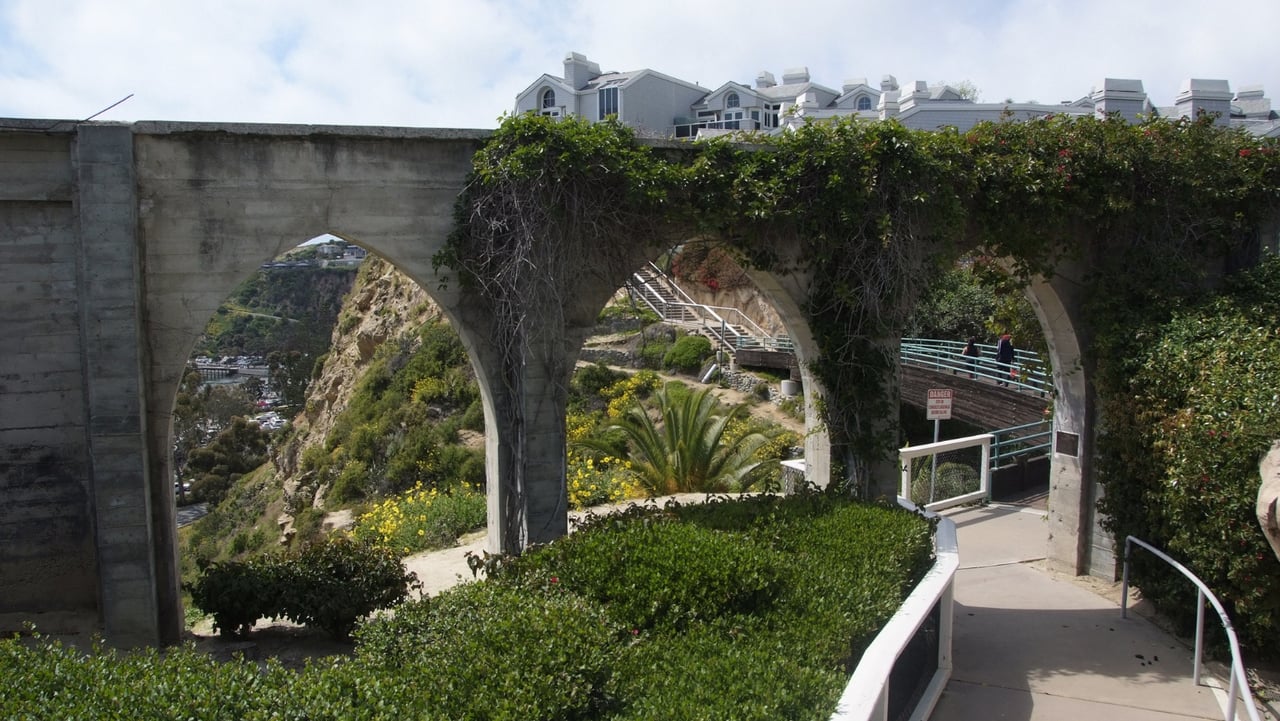
There is something unmistakable about a California home. It isn't necessarily a particular roofline, architectural style, or material. It's the relationship between the house and its surroundings. The way a courtyard becomes an extension of the living room. How a wall of glass frames a garden. The understanding that life here was never meant to happen entirely indoors.
Along the Southern California coast, that relationship has shaped residential architecture for generations. And while design preferences have changed considerably, many of the ideas that made these homes distinctive remain as relevant today as they were a century ago.
An Architecture Shaped by Place
Long before open-concept living became a design preference, California homes were being designed around the climate.
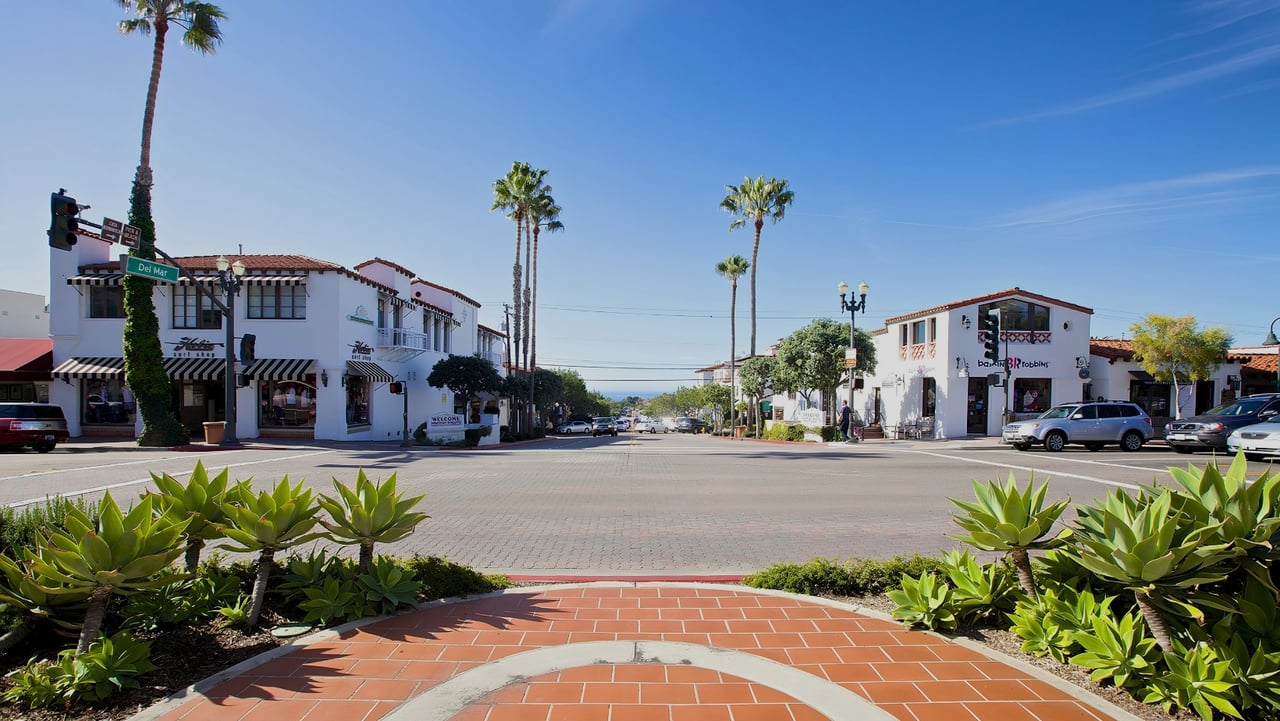
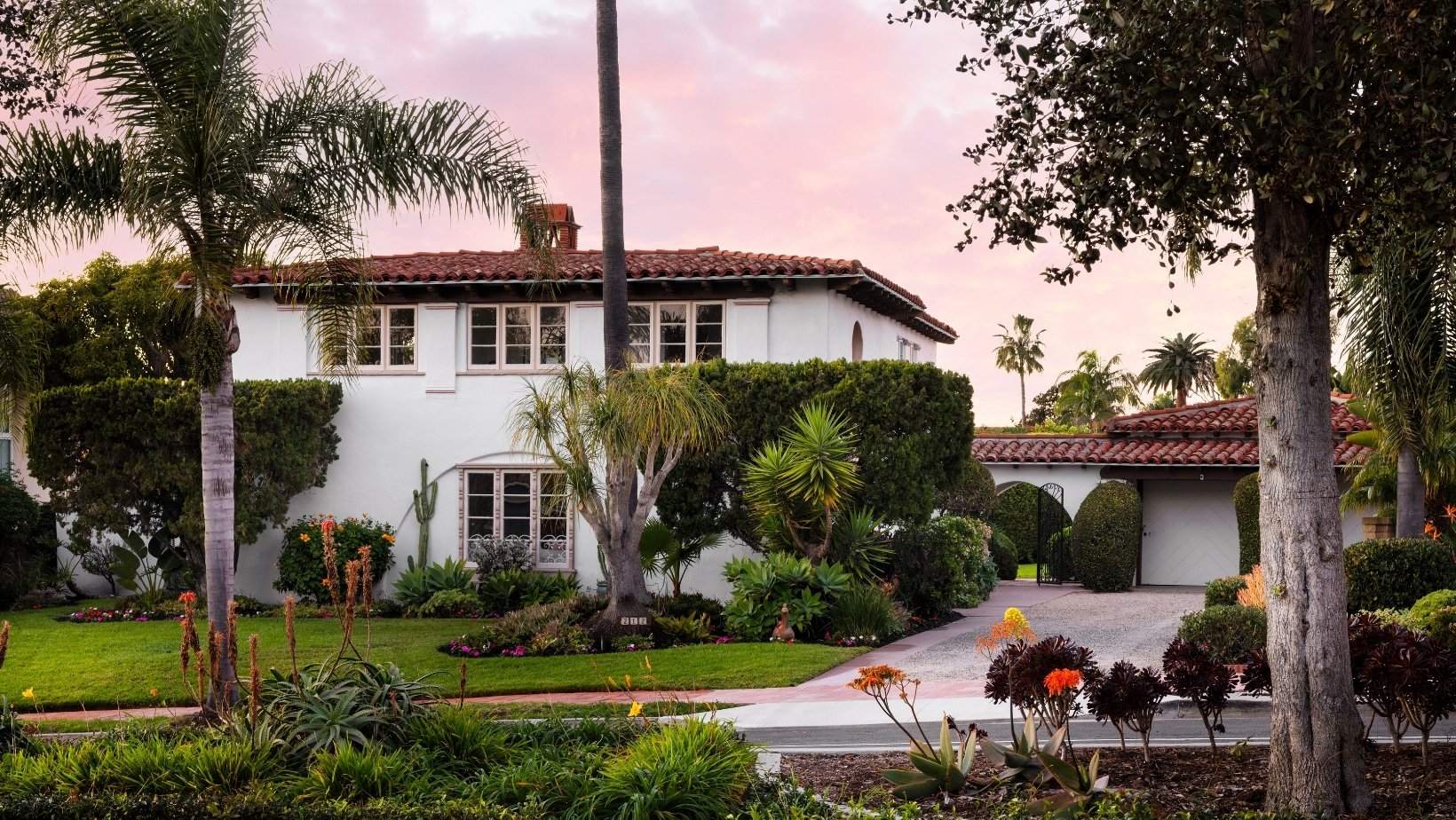
Spanish Colonial Revival architecture, which helped establish the visual identity of communities like San Clemente, embraced thick stucco walls, clay tile roofs, shaded courtyards, and arched openings. These weren't simply decorative choices. They reflected a practical understanding of sunlight, ventilation, and the value of sheltered outdoor spaces.
When Ole Hanson envisioned San Clemente in the 1920s as the Spanish Village by the Sea, architecture was central to that identity. The city's early buildings shared a common visual language, creating a sense of continuity that remains part of San Clemente's character today.
Elsewhere along the coast, Spanish and Mediterranean influences took different forms, reflecting the ambitions of developers, the preferences of homeowners, and the changing architectural tastes of Southern California.
What connected them was an appreciation for the landscape and a belief that a home should respond to where it was built.
When California Began Looking Forward
By the middle of the twentieth century, a different architectural expression was taking shape.
California modernism challenged traditional ideas about how a house should look and function. Architects began exploring simpler forms, open floor plans, expansive glazing, and materials that celebrated rather than concealed their natural character.
The postwar ranch home brought many of these ideas into everyday residential life. Its low profile, informal arrangement of rooms, and direct access to patios and gardens reflected a shift toward a more relaxed way of living.
Modernist architects took those principles further, using structural innovation and thoughtful site planning to create homes that felt deeply connected to their surroundings. In coastal Orange County, where hillsides, ocean views, and changing elevations present both opportunities and challenges, that approach produced some particularly compelling architecture.
The result was a distinctly Californian interpretation of modern living. Less concerned with formality, more interested in light, openness, and the experience of moving through a space.
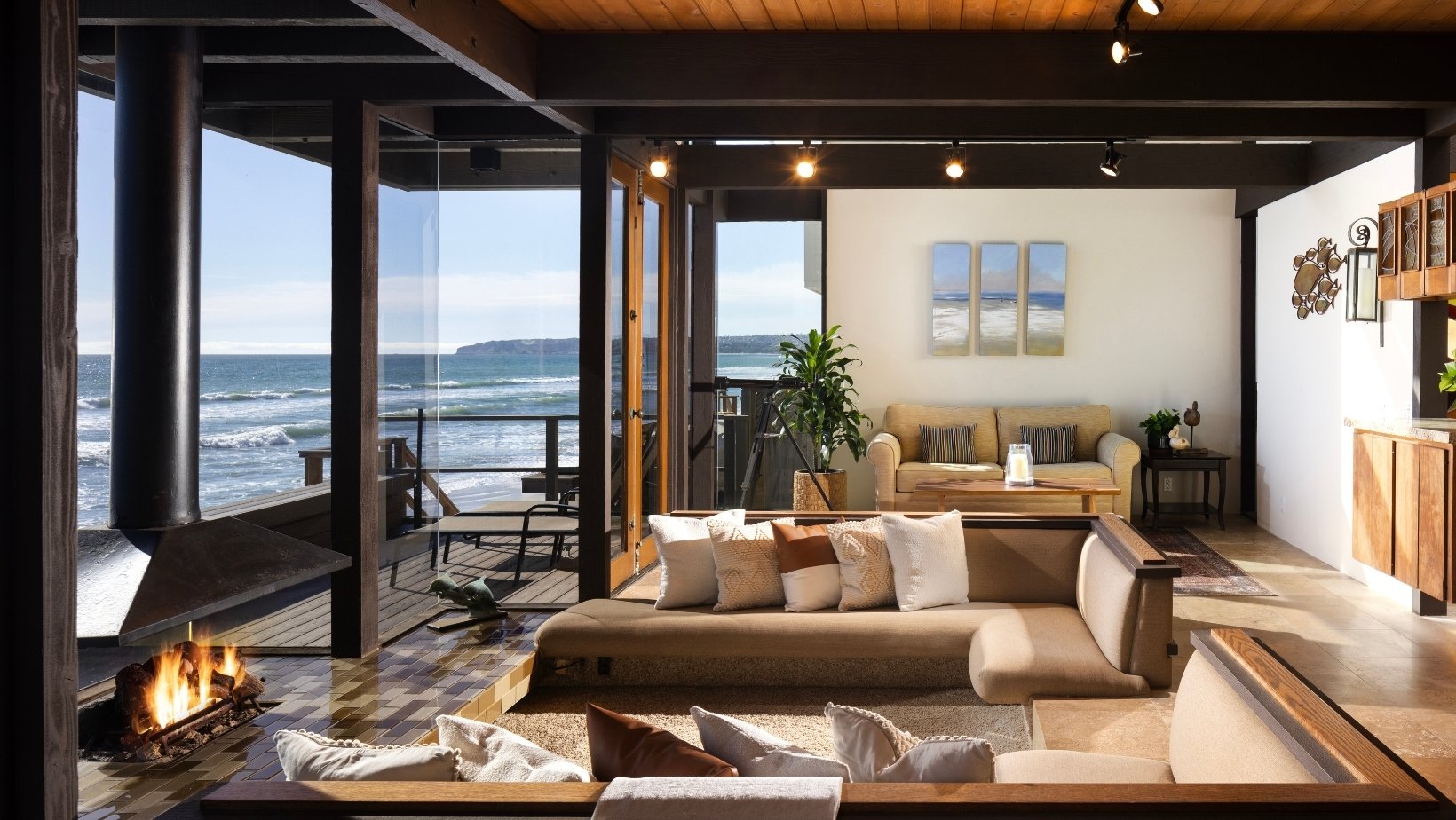
The Enduring Appeal of Indoor-Outdoor Living
If there is one architectural idea that connects California's many residential styles, it may be the treatment of outdoor space as an essential part of the home.
A Spanish courtyard and a midcentury glass-walled living room might look entirely different, but both acknowledge the same opportunity: the climate allows the boundaries of a home to extend beyond its walls.
Over time, that principle has evolved into covered loggias, California rooms, outdoor kitchens, garden terraces, and increasingly seamless transitions between interior and exterior spaces.
But the most successful examples aren't necessarily the most elaborate. Sometimes it's a carefully positioned window, a shaded porch, or a modest patio that catches the afternoon sun.
The quality of the connection matters more than the scale.
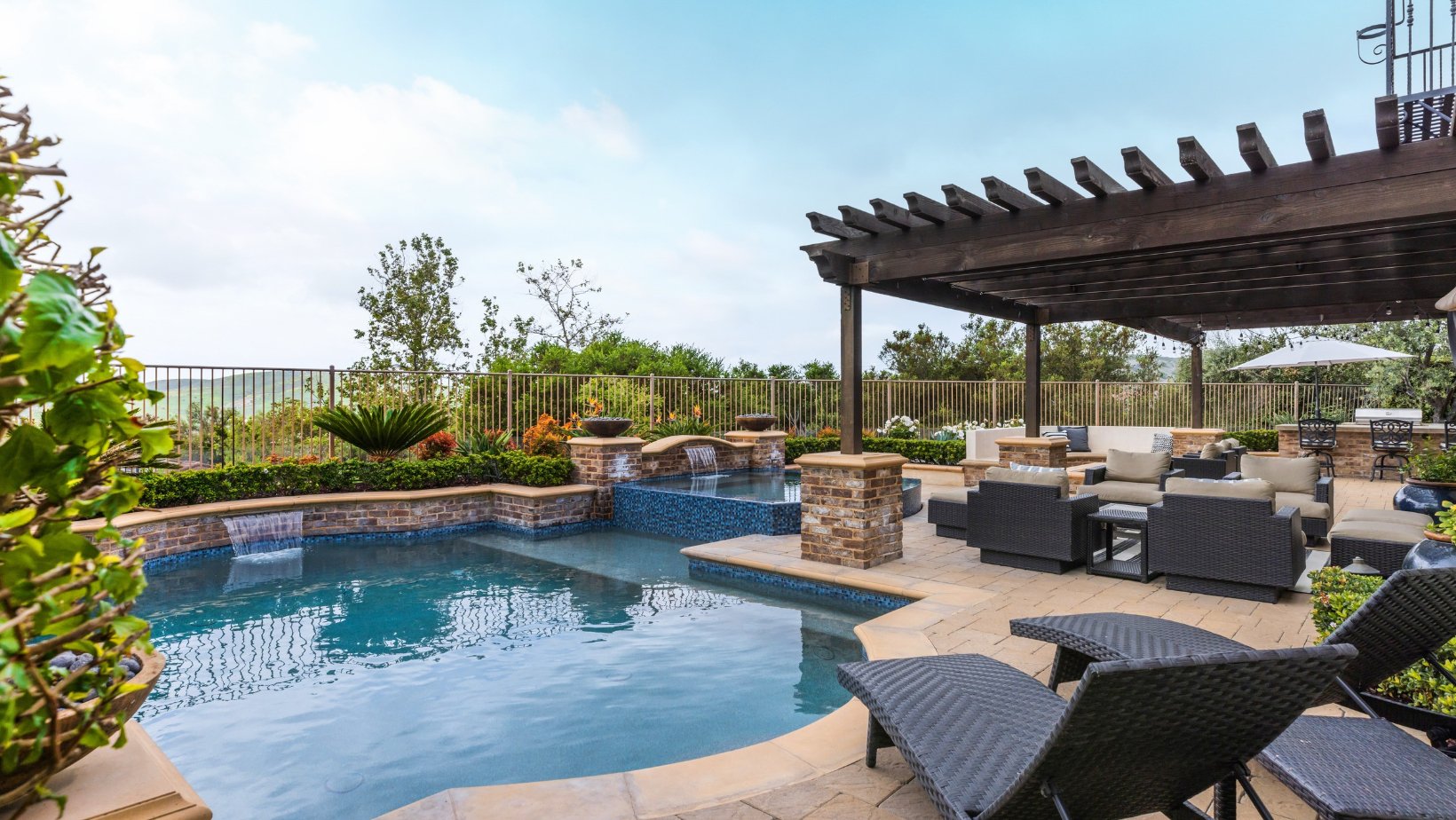
What We Choose to Preserve
As homes are renovated and reimagined, an interesting question emerges: Which elements deserve to remain?
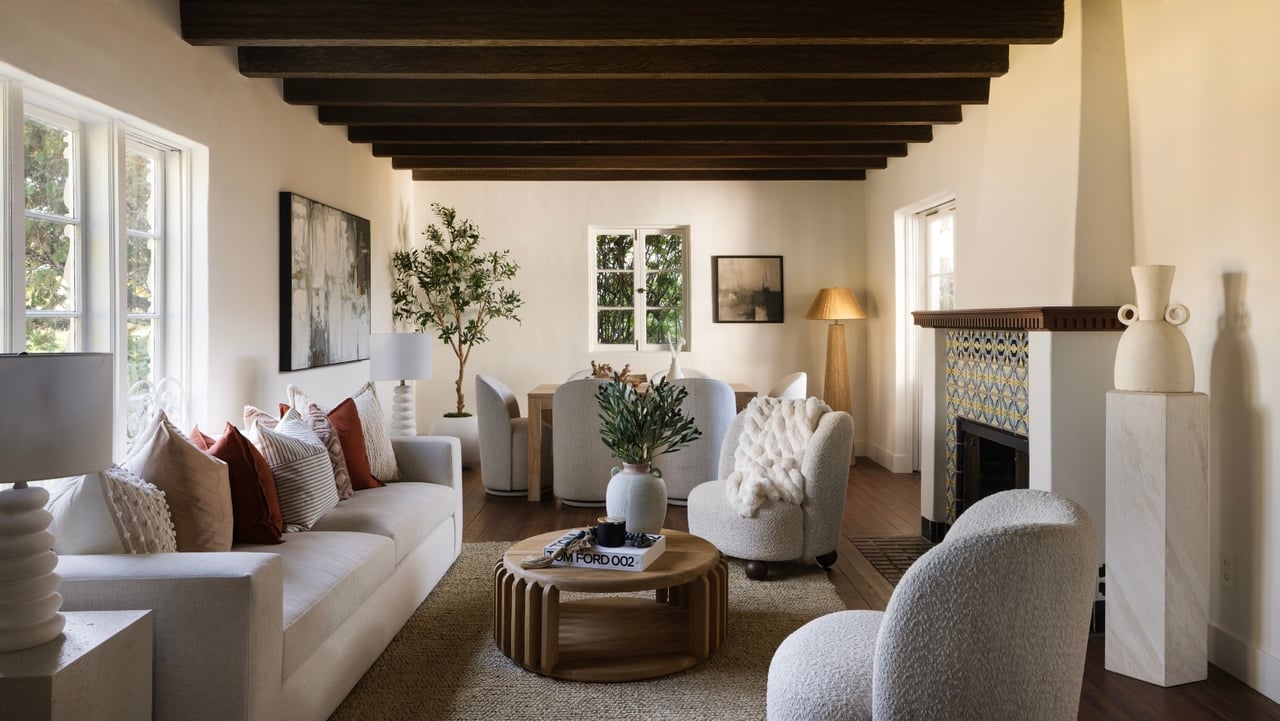
In established coastal neighborhoods, older homes often carry architectural details that would be difficult or costly to reproduce today. Original wood beams, handcrafted tile, plaster walls, distinctive rooflines, and carefully considered proportions contribute to a home's identity.
Yet preservation doesn't have to mean resisting change.
A thoughtful renovation can introduce modern functionality while respecting the architecture that gives a property its character. Kitchens can evolve. Floor plans can become more accommodating. Materials and systems can be updated without erasing the qualities that made a home compelling in the first place.
The challenge is knowing the difference between improving a house and removing what makes it interesting.
And in a market where newly renovated interiors often command attention, that distinction is worth considering.
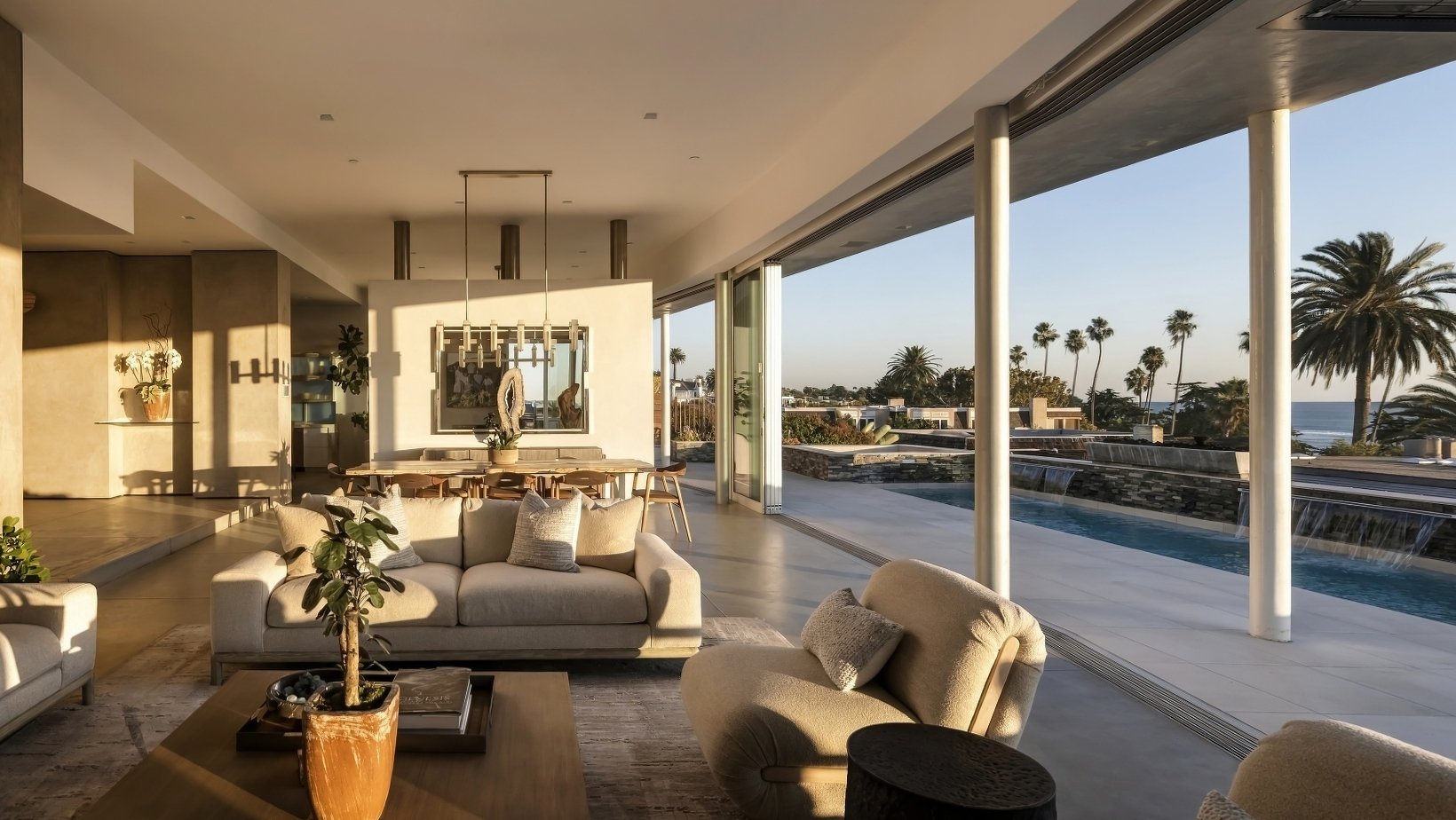
A More Considered California Home
Today, residential design is once again responding to changing priorities. Homeowners are thinking more carefully about energy efficiency, material longevity, flexible spaces, and the relationship between a home and its natural environment.
There's also a renewed appreciation for architectural character. The warmth of natural wood. The texture of plaster. The permanence of stone. The appeal of spaces that feel collected and considered rather than assembled around a passing trend.
In many ways, these preferences return us to principles that have been present in California architecture for generations.
Build with an understanding of the climate. Respect the landscape. Allow natural light to shape the experience of a room. Create spaces that accommodate both connection and solitude.
Perhaps the most interesting thing about the California home is how much it has changed while holding on to those ideas.
From the Spanish Revival homes that helped define San Clemente to the modernist residences overlooking the Pacific, our architectural history is a continuing conversation between tradition and innovation.
And the homes that endure aren't always the ones that make the boldest statement.
They're the ones that understand where they belong.
Real estate rooted in people + place.®
At Inhabit, we believe understanding a home means appreciating more than its square footage or finishes. Its architecture, history, setting, and relationship to the surrounding community all contribute to its value. If you're considering a move, renovation, or simply looking at your home through a different lens, we're always happy to share our perspective.
Local Perspective
Thoughtful market insight, local stories, and a deeper look at life along the coast. Delivered with intention, not noise.