The History of Trestles: From Forbidden Surf Break to Olympic Wave
Tucked along the coastline between San Clemente and Camp Pendleton in Southern California, Trestles is more than a surf spot. It is one of the most legendary waves in the world.
Today, surfers from across the globe travel to San Onofre State Beach to experience the long, perfectly peeling waves at Lower Trestles and its neighboring breaks. Professional competitions from the World Surf League Championship Tourregularly take place here, and in 2028 the area will host the Olympic surfing competition during the Los Angeles Summer Games.
But Trestles did not begin as the global surf destination it is today.
For decades, surfers risked fines, arrest, and confiscated boards just for the chance to ride these waves. Before it became one of the most famous surf breaks in the world, Trestles was off-limits military land inside Camp Pendleton.
So how did this once-forbidden coastline become one of the most iconic surf locations in the world?
Let’s paddle back in time.
Where Is Trestles Surf Break?
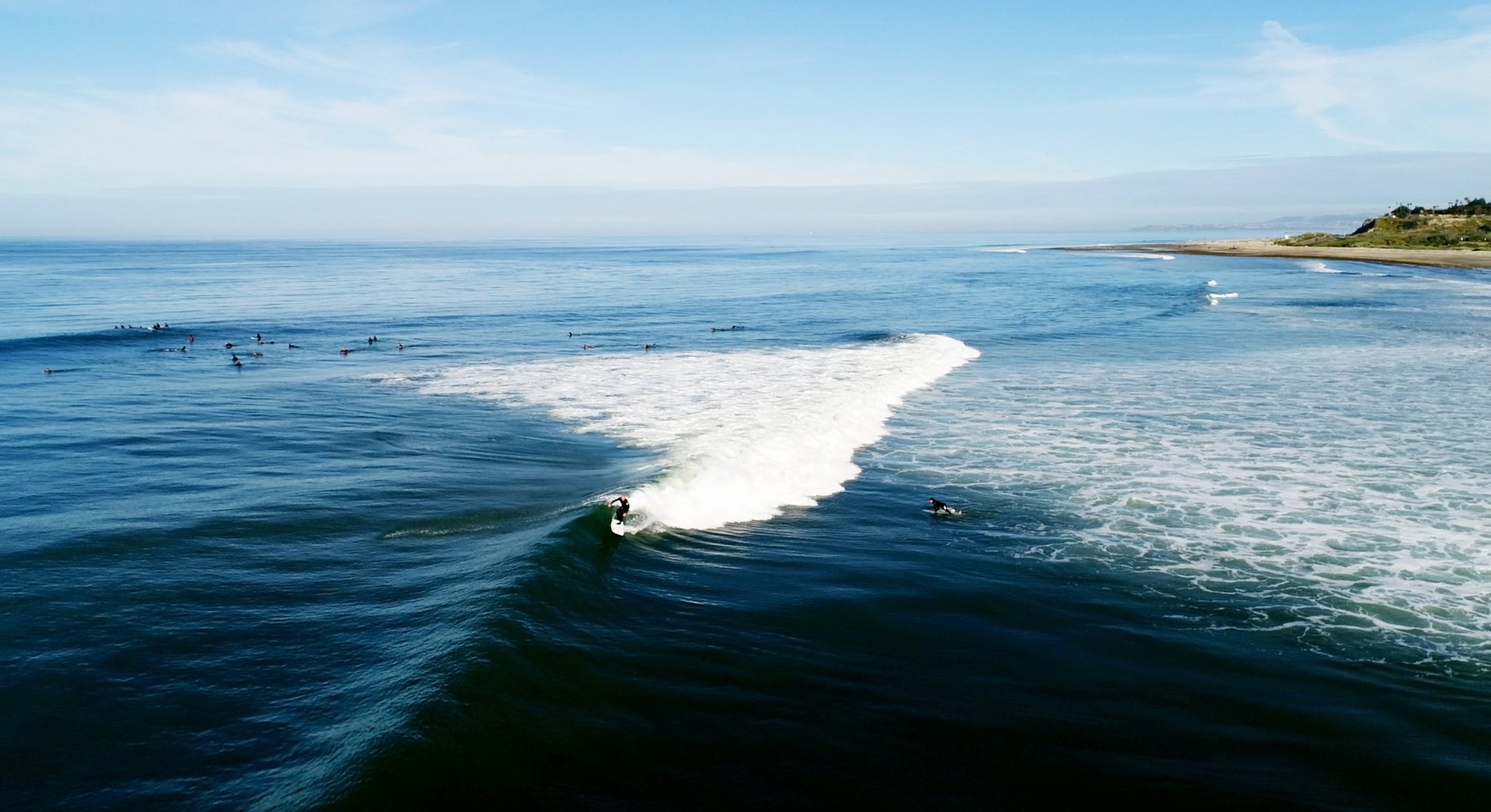
Trestles surf break just south of San Clemente, where Olympic surfing will take place in 2028.
Trestles is located within San Onofre State Beach, just south of San Clemente in Southern Orange County, California. The surf break sits near the border of Camp Pendleton Marine Corps Base, along a stretch of protected coastline that remains largely undeveloped.
The area is known for its cobblestone reefs, natural coastal habitat, and remarkably consistent wave conditions.
Several surf breaks make up the greater Trestles area, including:
▪ Lower Trestles
▪ Upper Trestles
▪ Middle Trestles
▪ Cottons
Among them, Lower Trestles is the most famous, known for its high-performance waves and frequent international surf competitions.
Because of its unique geography and consistent surf, Trestles has become one of the most respected surf locations not only in California but worldwide.
A Hidden Surf Break Behind Military Fences
The name Trestles comes from the wooden railroad trestles that once crossed San Mateo Creek, marking the trail that leads to the beach.
In 1942, the surrounding land became part of Camp Pendleton Marine Corps Base, and civilian access to the coastline was restricted. That meant the waves breaking along this stretch of shoreline were technically off limits to surfers.
By the 1950s and 1960s, however, word began spreading throughout Southern California’s surf community about the waves breaking along the San Mateo Point coastline.
Surfers spoke about long, glassy rides across cobblestone reefs, with perfectly shaped peaks that seemed to run forever. The consistency and shape of the waves quickly built a reputation among dedicated wave riders.
There was just one problem.
Getting there was illegal.
The Trestles Rebellion: Surfers vs. Military Patrols
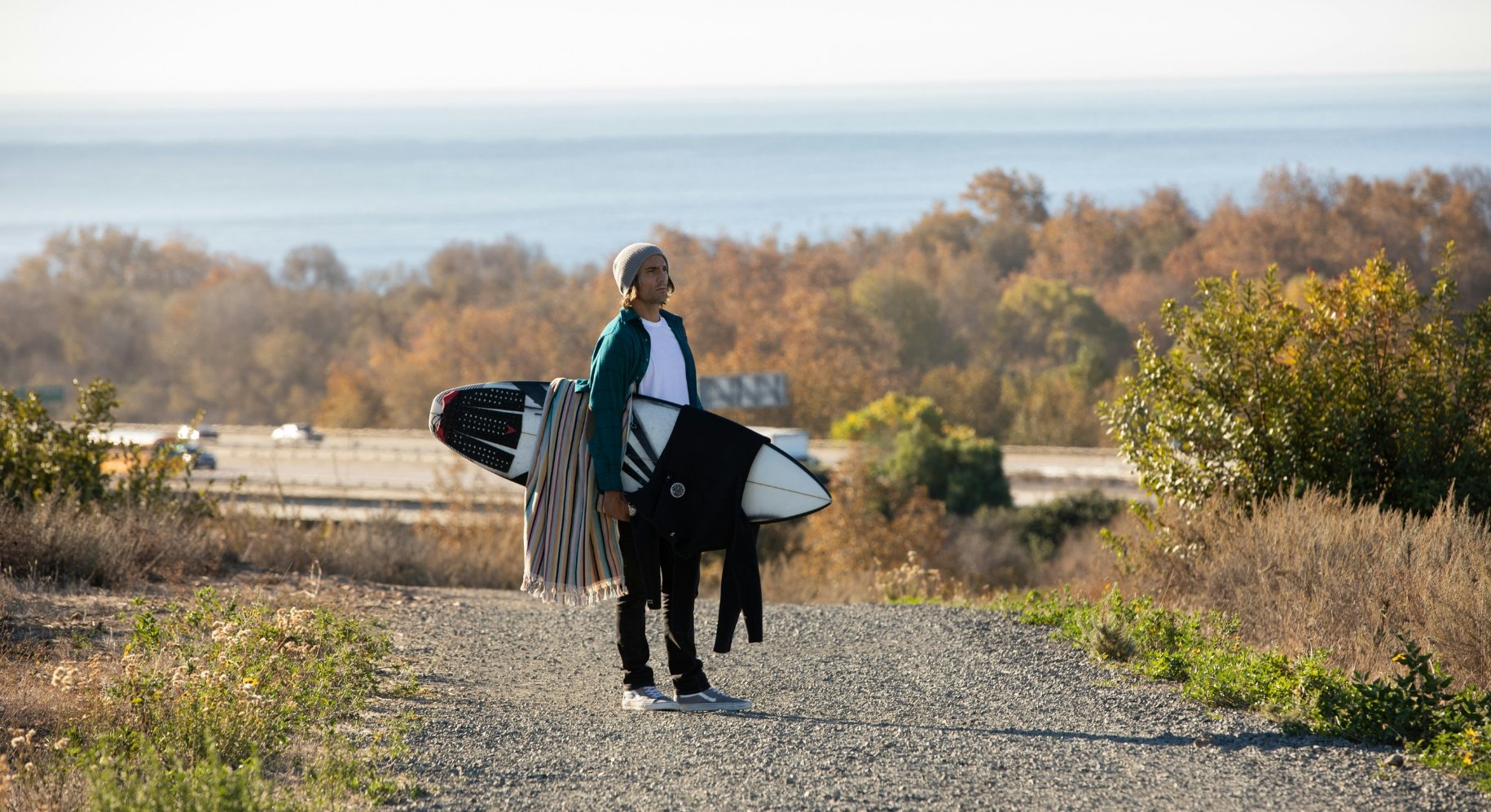
Surfers hiking the trail to Trestles, a tradition that dates back to the earliest days of the break.
With no legal access to the beach, surfers began finding creative ways to reach Trestles.
Some hiked through miles of brush and canyon trails. Others sprinted across the railroad tracks along the coast, hoping to avoid both passing trains and military patrols.
A few adventurous surfers even floated down San Mateo Creek on makeshift rafts, quietly paddling toward the ocean under cover of darkness.
If they were caught, the consequences could include trespassing citations, stern warnings from military police, or confiscated surfboards.
Yet the risk did little to deter them.
The waves were simply too good.
Each successful surf session felt like a small victory. Over time, this underground surf scene created a rebellious culture that became part of Trestles’ mythology, helping establish its reputation as one of the most coveted waves in California.
When Trestles Finally Opened to the Public
After decades of surfers sneaking onto military land, access to the area finally changed in 1971.
That year, California State Parks expanded San Onofre State Beach to include the Trestles area, officially opening the coastline to public recreation.
The days of dodging military patrols were over.
But reaching the surf break still required effort.
Surfers parked near Cristianitos Road and walked roughly a mile down a dirt trail to reach the beach, carrying their boards the entire way.
That walk has since become part of the Trestles tradition, and it remains the primary access route today.
The trail winds through coastal habitat before opening to the ocean, creating a sense of anticipation that every surfer experiences before paddling out.
How Surfers Access Trestles Today
Most surfers access Trestles from the San Onofre State Beach parking area near Cristianitos Road.
From there, visitors follow a paved trail that winds roughly one mile through coastal habitat before reaching the beach. The walk takes about 15–20 minutes and has become part of the ritual of surfing Trestles.
Along the way, surfers pass bikes, beachgoers, and the occasional train rumbling along the coastal tracks before the trail opens to the Pacific Ocean.
By the time surfers reach the shoreline, the long walk has already built the anticipation for the first paddle out.
Trestles Today: One of the World’s Best Surf Breaks
What was once a hidden surf spot behind military fences is now widely considered one of the best surf breaks in the world.
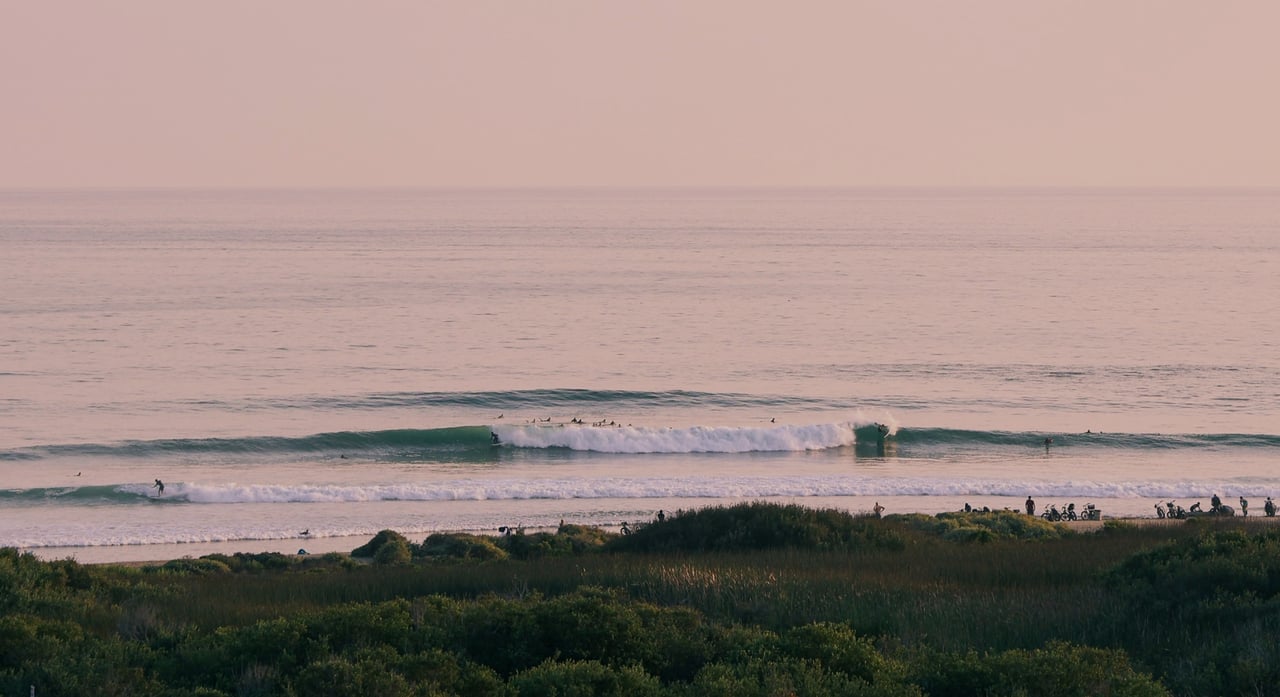
The cobblestone reef creates remarkably consistent waves that break year-round, making the area ideal for both competition surfing and everyday sessions.
Lower Trestles has hosted numerous World Surf League Championship Tour events, attracting elite surfers such as:
▪ Kelly Slater
▪ Carissa Moore
▪ Gabriel Medina
Despite its international reputation, the character of Trestles remains surprisingly unchanged.
The train still rolls along the coastline.
The trail still leads surfers down to the water.
And the first paddle out still feels like a reward for making the journey.
Trestles and the 2028 Olympic Games
Trestles reached another milestone when Lower Trestles was officially selected as the surfing venue for the 2028 Summer Olympics in Los Angeles.
The decision will bring the world’s best surfers to the San Clemente coastline, placing this legendary wave on the global stage.
Known for its consistent, high-performance peaks and natural amphitheater setting, Trestles was widely considered one of the best natural competition waves in the world.
When the Olympics arrive, athletes representing countries from around the globe will compete along the same stretch of coastline where generations of surfers once snuck through fences and risked arrest just to catch a wave.
For locals, it’s a reminder that this iconic surf break remains deeply connected to the culture and landscape of San Clemente and Southern California surfing.
The Legacy of Trestles
Trestles is more than just a surf break. It is a place shaped by history, persistence, and a shared love of the ocean.
Every surfer who paddles out is following in the footsteps of the early wave riders who risked fines, confiscated boards, and long treks through the brush simply to experience one perfect ride.
The tradition continues today.
The walk down the trail.
The sound of the waves before they come into view.
The first paddle into the lineup.
At Trestles, the journey has always been part of the experience.
And that spirit of dedication is what transformed a once-forbidden coastline into one of the most celebrated surf destinations in the world.
Surf Culture and Life in San Clemente
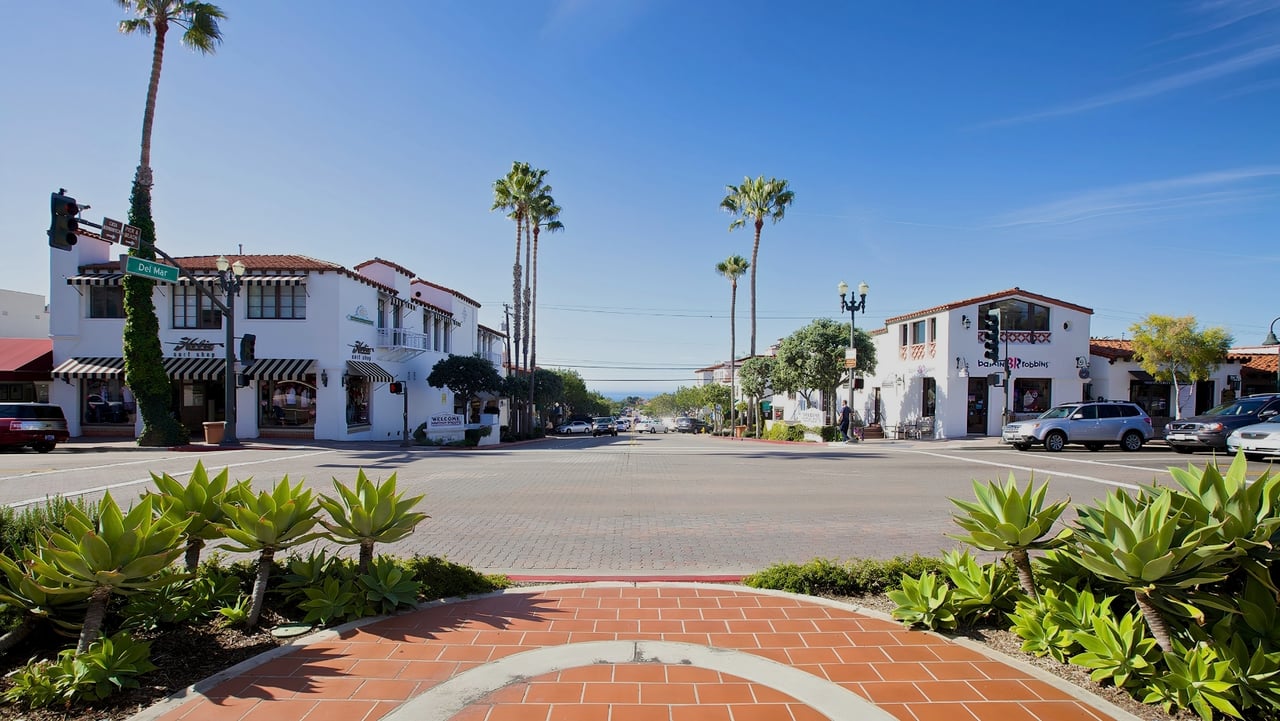
Surfing has long been part of the identity of San Clemente, often called the “Spanish Village by the Sea.” For many people exploring living in San Clemente, the connection between the town and the ocean is one of the things that makes the community so special.
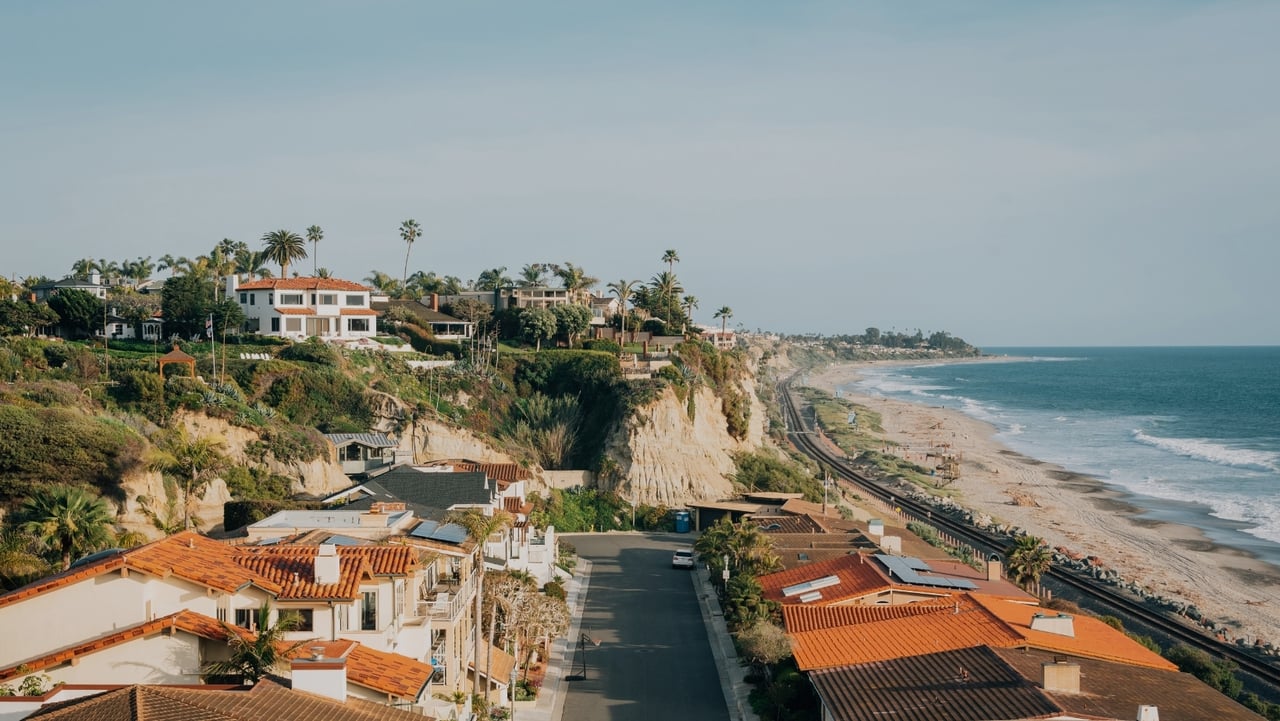
From the waves along the San Clemente Pier to the world-class breaks at Trestles, the rhythm of the ocean shapes daily life in this coastal town.
For many residents, morning walks along the beach, watching surfers at sunset, or paddling out before work are simply part of the San Clemente coastal lifestyle that has defined this community for generations.
For those drawn to the ocean, the surf culture, and the relaxed pace of this coastal town, exploring San Clemente homes for sale offers a closer look at what it means to live along one of Southern California’s most iconic shorelines.
Frequently Asked Questions About Trestles Surf Break
Where is Trestles surf break located?
Trestles is located within San Onofre State Beach in Southern California, just south of San Clemente and near the northern boundary of Camp Pendleton Marine Corps Base.
Why is Trestles famous for surfing?
Trestles is known for its consistent, high-performance waves that break over cobblestone reefs, creating long, peeling rides ideal for both competition surfing and recreational surfers.
How do you get to Lower Trestles?
Most surfers park near Cristianitos Road at San Onofre State Beach and walk about one mile down a paved trail that leads directly to the beach and surf break.
Will surfing in the 2028 Olympics take place at Trestles?
Yes. Lower Trestles has been selected as the official surfing venue for the 2028 Los Angeles Olympic Games, bringing the world’s best surfers to this stretch of coastline.
Why is Trestles important to California surf history?
For decades, surfers risked trespassing fines and military patrols to surf the waves at Trestles while it was located within restricted Camp Pendleton land. That rebellious history helped shape the legendary reputation of the break.